How to Optimise Multilayered SEO Strategies in 2026

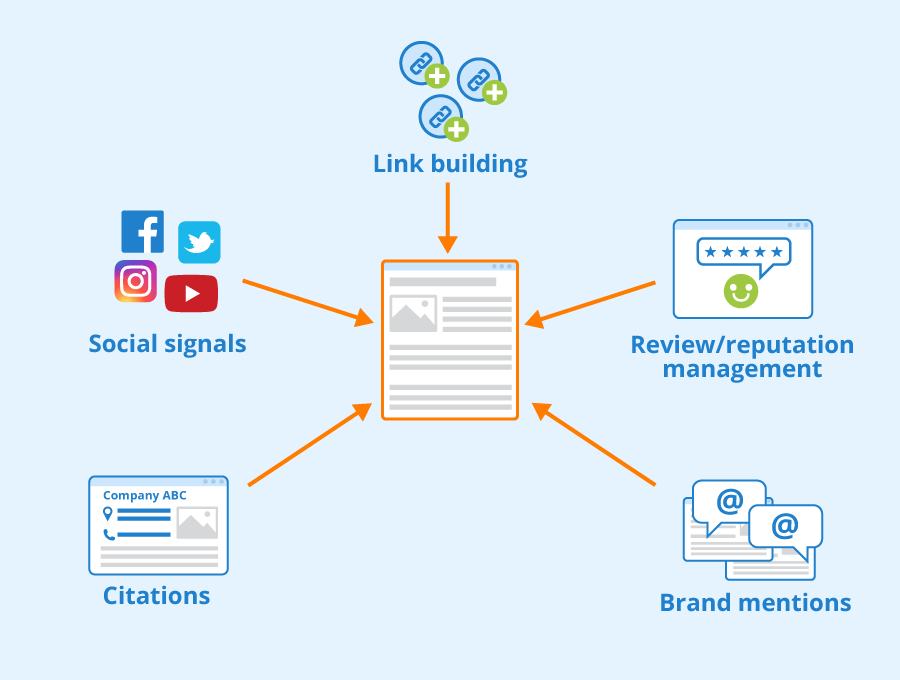
Backlinks vs brand mentions in off-page SEO: This article supplies a direct, data-driven contrast of which signal drives ranking dominance in 2026, gearing up professionals with a modern, entity-focused framework for brand-led off-page optimization. Google examines linked and unlinked brand name discusses as discrete ranking signals, using NLP and entity analysis to assign authority and trust scores to each recommendation type.
From 2024 onward, unlinked brand name mentions directly affect website rankings, often exceeding conventional backlinks as reliable ranking signals in Google's algorithm. This shift is driven by advances in Natural Language Processing (NLP), entity acknowledgment, and the integration of AI-powered search experiences like SGE, which collectively allow Google to examine brand name authority beyond links.
Off-page SEO guidelines altered in 2024. Google now weights brand name mentions and entity prominence greater than backlinks in 55% of ranking calculations (Search Atlas data, 2025). Mentions of brand name entities (e.g., item names, service categories, executive profiles) in authoritative contexts now impact rankings equally to backlinks in Google SGE, as evidenced by Knowledge Panel information from 2025.
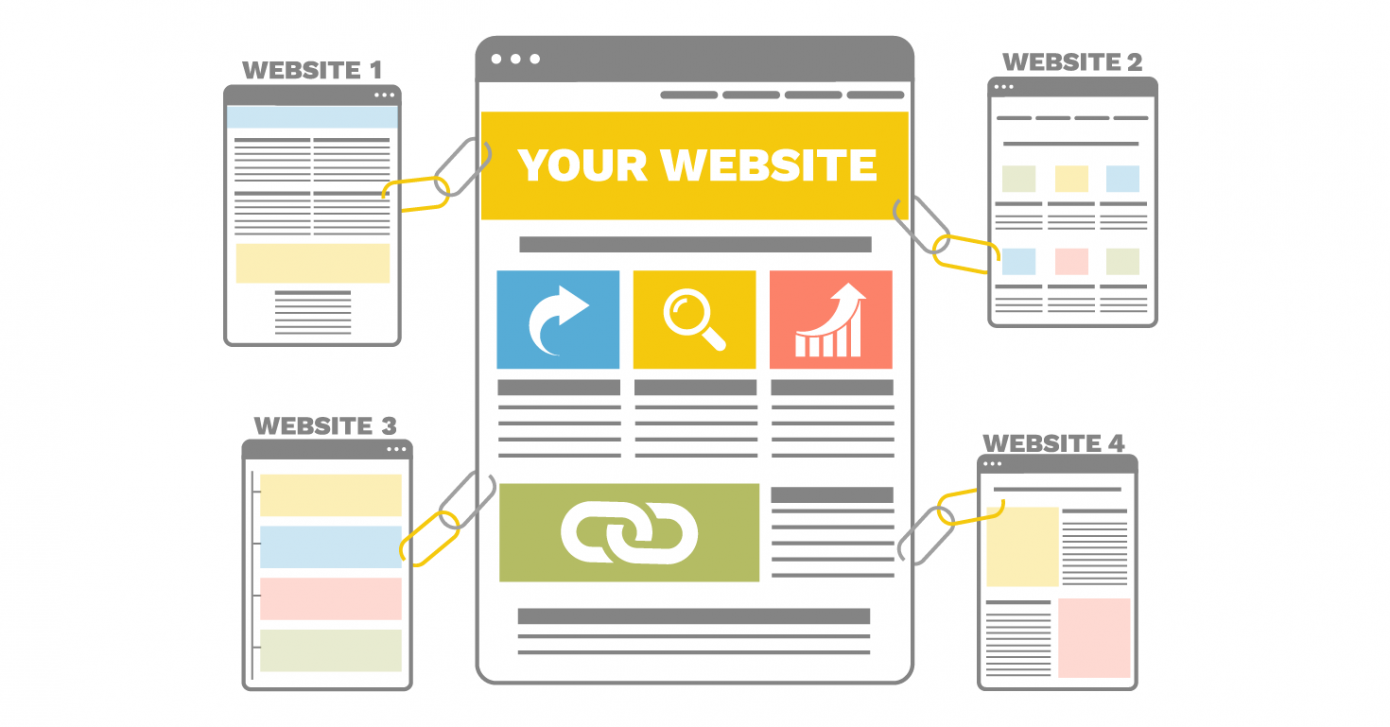
A link from a respectable website to yours operated as a vote of self-confidence, a digital endorsement that online search engine might quantify, determine, and benefit. This easy idea powered Google's rise to dominance and generated a whole industry of link contractors, digital PR professionals, and authority hackers. Something essential is moving beneath the surface area of contemporary search.
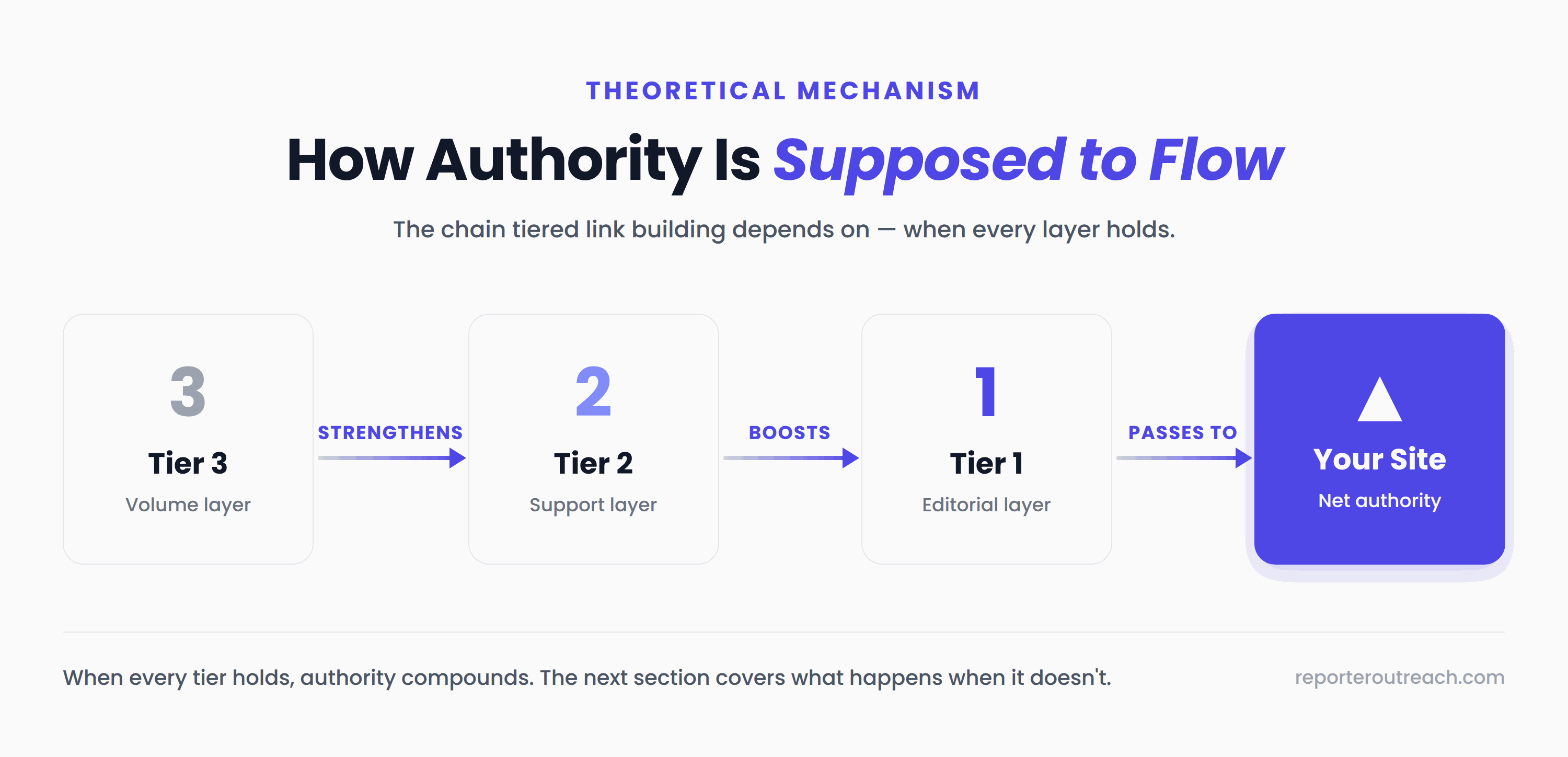
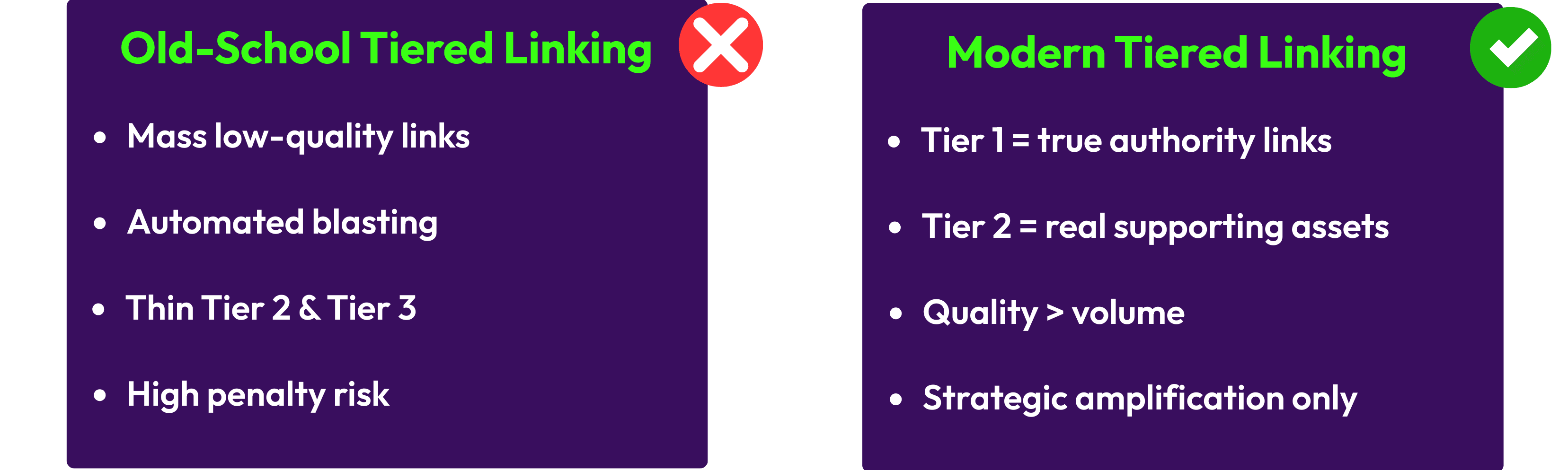
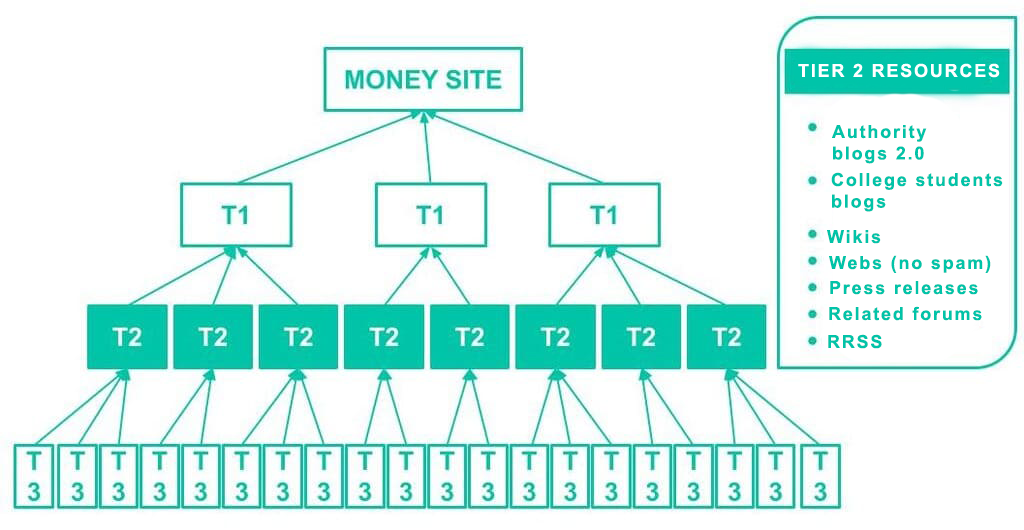
Why Tiered Link Building Stays Vital for Organic SEO
The development of AI-powered search experiences, consisting of Search Generative Experience (SGE), has accelerated this change. Suddenly, how individuals discuss your brand matters as much as, or maybe more than, whether they link to you. This development provides both an existential difficulty and an unmatched chance for off-page SEO specialists.
Those who comprehend the new landscape of indicated links, co-citation patterns, and AI training data presence will specify the next period of search optimization. This analysis traces the total development of off-page ranking signals, takes a look at why link-centric metrics are losing their monopoly on authority, and offers a tactical structure for professionals browsing this shift.
Comprehending where we're going needs comprehending where we have actually been. The story of backlinks as ranking signals is essentially the story of how search engines discovered to rely on sites. In 1996, Larry Page and Sergey Brin developed PageRank while pursuing their PhDs at Stanford University. Their insight was innovative yet elegantly basic: if academic papers gain reliability through citations from other papers, sites could be evaluated likewise through links.
A link from a highly-ranked page passed more "link juice" than one from an unknown corner of the web. This developed a recursive system where authority streamed through the web's interconnected structure. Google's 1998 term paper, "The Anatomy of a Large-Scale Hypertextual Web Online Search Engine," explicitly explained this approach: "PageRank can be believed of as a model of user habits.
While rivals like AltaVista and Lycos relied mostly on keyword matching, Google's link-based technique delivered dramatically more pertinent results. Hyperlinks emerged as the dominant ranking signal for numerous compelling reasons: In the early web, creating a backlink required either authentic editorial endorsement or technical access to another website. This friction made links fairly reliable signals.
Ways to Optimise Multilayered SEO Strategies in 2026
No human review required. Unlike subjective quality evaluations, links offered concrete, measurable data points that engineers could optimize around. Theoretically, any site might earn links through quality content, no matter marketing spending plan. By 2000, link analysis had actually become the structure of Google's competitive benefit. Internal documents later exposed that Google tracked over 200 ranking factors, however links consistently ranked amongst the most influential.
Where there's algorithmic worth, there's industrial chance. The early 2000s experienced the development of link structure as a distinct discipline within digital marketing. Practitioners developed progressively advanced methods: to DMOZ, Yahoo Directory, and industry-specific listings in between complementary sites through platforms like EzineArticles with signature links on appropriate market publications Tools emerged to automate outreach, track link profiles, and determine chances.
The SEO conference circuit buzzed with link building methods and case research studies. By 2010, link building had progressed from a technical interest into a multi-billion-dollar worldwide industry. Search Atlas and similar platforms emerged during this era, offering specialists with advanced link profile analysis and competitive intelligence abilities. Our backlink analyzer continues this tradition while incorporating modern-day off-page signal analysis.
what is a GSA SER project
Why Tiered Link Building Remains Essential for Organic SEO
As link structure professionalized, so did link plans. emerged: networks of interconnected sites developed entirely to pump up PageRank. provided more sophisticated versions of the same principle. proliferated, with prices varying from a few dollars to 10s of thousands depending on the source's authority. Google's reaction came in waves: This algorithm upgrade particularly targeted webspam and manipulative link structure.